FIRE RISK ASSESSMENT

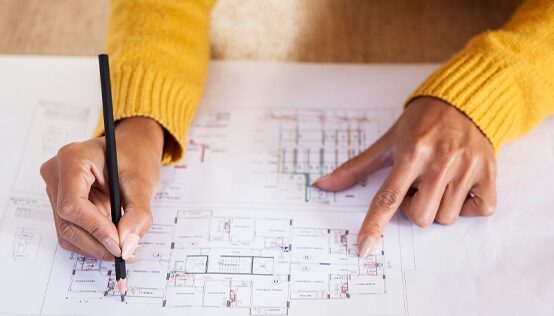
Chubb provide expert fire risk assessments for business premises to give you confidence in your workplace safety. You must ensure that regular fire risk assessments are carried out to keep everyone safe.
Under the Regulatory Reform (Fire Safety) Order 2005 (RRO), all “responsible persons” for non-domestic premises must:
The legal duty applies regardless of company size or number of employees. If you employ five or more people, you must document your assessment in writing. The “responsible person” (typically the employer, building owner, or occupier) retains legal accountability even when using third-party assessors.
The Building Safety Act 2022 introduced additional requirements, particularly for higher-risk buildings:
While Chubb can provide valuable expertise in conducting assessments and implementing safety measures, they cannot assume the legal responsibility that remains with the designated “responsible person” under the regulations.
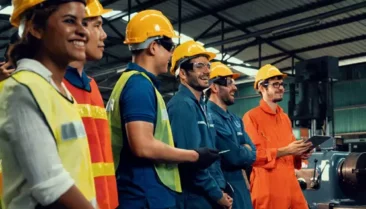

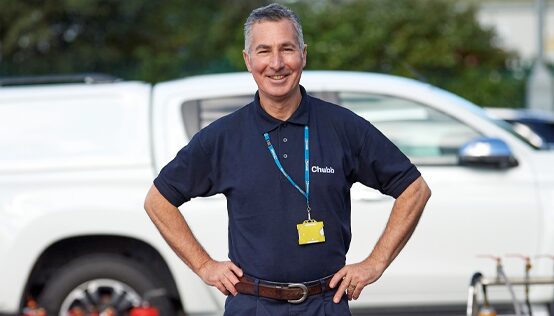
Chubb have a nationwide network of expert consultants who provide fire risk assessments for businesses premises. They bring with them a passion for fire safety and a wealth of knowledge, delivering comprehensive fire risk management and the reassurance that you are meeting all relevant legal requirements. Making things as simple as possible, they will help you to identify and reduce fire risks in your workplace. Chubb’s consultants take pride in keeping up with the latest legislation to ensure the quality of our service and advice.


Chubb’s Standard Fire Risk Assessment is ideal for smaller, lower-risk businesses and organisations operating from a single site. This could include offices, shops, day schools, medical clinics, and places of worship. A Chubb consultant will visit your premises and assess areas of risk, identify how they can be reduced, and recommend any changes that need to be made. Chubb’s Premium Fire Risk Assessment is perfect for higher-risk businesses, larger premises such as building complexes and residences of multiple occupancy. This could include factories, hospitals, care homes, hotels, and residential schools. These fire risk assessments go above the standard considerations, covering areas such as flammable materials and licensing requirements.
What else might you be interested in?

Oops! We could not locate your form.
 Privacy Policy and Terms of Service apply.
A global organisation Chubb’s global footprint, and local expertise is reflected in its 12,000+ team, working from 200+ offices across 17 countries. Get in touch with our regional offices
We deliver our services through a global network of over 12,000 highly specialised and fully compliant staff, 200+ branches and more than 20+ monitoring centres worldwide, providing a customised local service supported by expert teams, 24/7, 365 days a year.
 Global network