Global network


Digital Credentials for Building Access: The Rise of Mobile Security Solutions
By | 12th May 2026
In the modern security landscape convenience, cybersecurity and adaptability are no longer optional. They’re essential. As organisations embrace mobile-first strategies across operations, a growing number are rethinking how they manage building access. Physical keycards and fobs, once the cornerstone of access control, are being phased out in favour of digital credentials for building access, unlocking a more secure, scalable and user-friendly future.
In this blog, Charlie Hicks, Senior Business Development Manager and leading voice on digital credentials, discusses how smartphone-based access control is reshaping physical security.
Why Organisations Are Moving on from Physical Credentials
Lost access cards are a persistent pain point for facilities teams. They’re easy to misplace, expensive to replace and represent a serious vulnerability if not promptly deactivated.
Smartphones, on the other hand, are far less likely to be forgotten or lost. According to Deloitte, 94% of UK adults own a smartphone, and users check their device an average of 100+ times per day. That level of attachment, paired with native security features like biometrics and device encryption, makes mobile credentials a highly secure and reliable solution.
What Are Mobile Credentials?
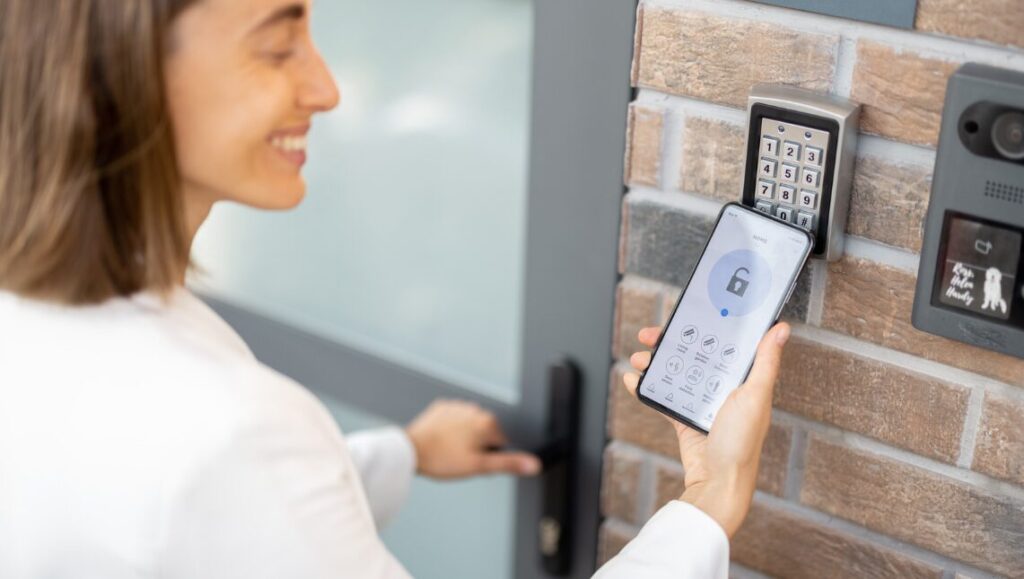
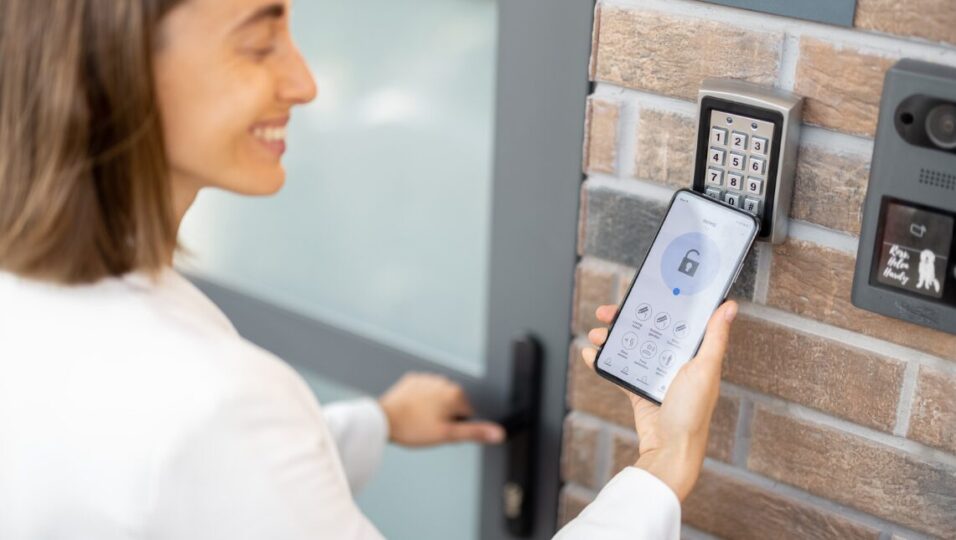
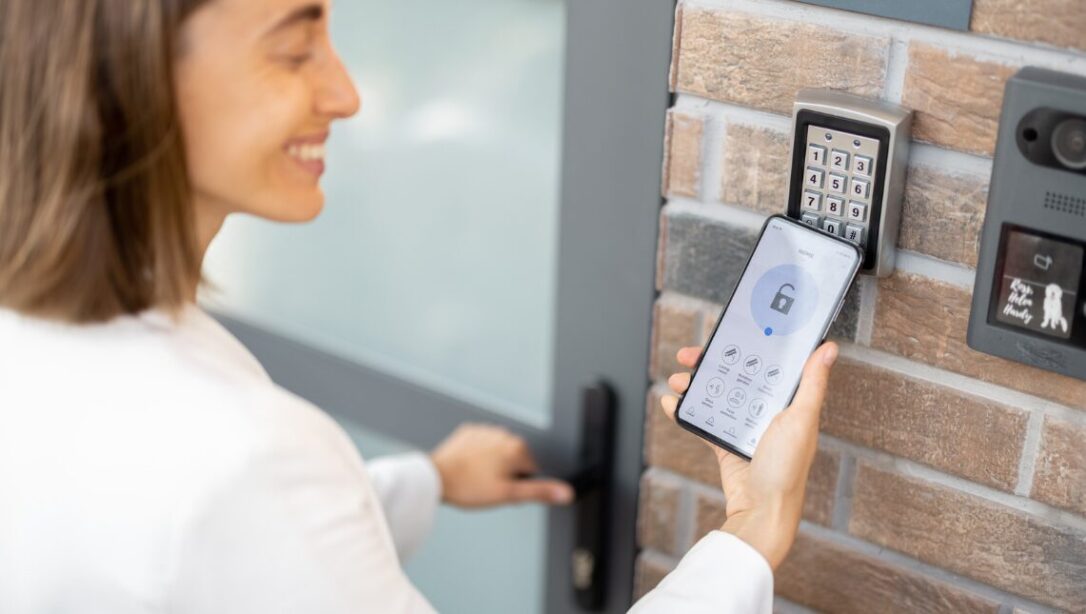
Mobile credentials for access control are digital representations of an individual’s identity, securely stored on their smartphone. Delivered through cloud infrastructure, they integrate with mobile access control systems, enabling secure access via Bluetooth, Near Field Communication (NFC) or QR code.
These credentials can be provisioned or revoked remotely, removing the need for on-site badge issuance. This makes access control with mobile phones ideal for hybrid workplaces, visitor management and multi-site organisations.
Key Benefits of Mobile Access Control Systems
The shift to mobile credentials isn’t just a technological upgrade; it’s a smarter, more secure way to manage access. Here’s why forward-thinking organisations are making the move:
Enhanced Security
Mobile credentials leverage device-level authentication and encryption. Unlike older radio frequency identification (RFID) prox cards, they can’t be cloned or intercepted. If a device is lost or stolen, access can be disabled remotely within seconds – a major leap in resilience.
Improved User Experience
Users enjoy keyless entry using mobile credentials, freeing them from carrying additional items. For contractors or guests, credentials can be sent in advance, activated remotely and set to expire automatically after a set period.
Robust Management and Scalability
Security managers or system administrators have the flexibility to deploy mobile credentials for their workforce or visitors remotely, via a computer or tablet, and can easily add or remove credentials when needed.
Cybersecurity Integration
A recent webinar, Mind the Gap: Bridging Cybersecurity and Physical Access Control, hosted by Security Journal UK highlights Physical Access Control Systems (PACS) are no longer isolated from IT. With mobile security in place, identity data can be encrypted, access logs centralised and threats monitored more proactively. This improves your organisations physical and cyber posture.
Addressing the Concerns: Is It Really Secure?
A common concern is that storing credentials on mobile devices might create new risks. But smartphones are inherently secure. They’re usually locked behind biometrics or PINs and they support over-the-air updates – something plastic cards don’t. As mentioned in the webinar, mobile access control is as secure as the most advanced smart card systems and significantly more flexible.
Moreover, mobile credentials use cryptographic keys, making them immune to skimming or duplication, unlike legacy systems still relying on proximity cards.
Open Standards and Interoperability Matter
One of the most significant things about mobile access controls being discussed at the moment is the role of open standards in strengthening access control systems.
Open platforms allow systems to scale and integrate with identity management, visitor control and cybersecurity platforms reducing vendor lock-in and increasing transparency. Vulnerabilities in open systems are identified more quickly, giving organisations greater visibility and control over their security ecosystem.
Final Thought: Digital Credentials Are a Strategic Investment
Digital credentials for building access aren’t just a convenience, they’re a strategic upgrade for organisations looking to future-proof their physical and cyber security.
From sustainability (fewer plastic cards!) to user experience and resilience, the shift to mobile is reshaping how security is delivered. And with new regulations and cyber threats constantly emerging, flexibility, adaptability and transparency have never been more important.
At Chubb, we help clients navigate this transformation, deploying mobile access control systems that are secure, scalable and built for tomorrow.
Ready to explore a smarter, safer approach to access control?
Talk to Chubb about how mobile credentials can modernise your security infrastructure or visit the electronic access controls section of our website for more information.
© 2026 Chubb Fire and Security. All rights reserved.
The information provided in this blog is for general informational purposes only and does not constitute professional advice. Chubb Fire and Security is not responsible for any actions taken based on the information provided. This blog is not an advertisement or advice document. You are responsible for complying with any legal or regulatory requirements that apply to you.
Chubb Fire and Security reserves the right to modify the content and offers mentioned in this blog without prior notice.