Global network

Fire Safety In Higher Education: Managing Complex Estates
By Chubb | 6th October 2026
By Chubb | 6th October 2026
Most universities and colleges have established maintenance programmes for their fire safety systems. Inspections are scheduled, servicing is carried out and records are maintained throughout the year. The challenge for estates teams is rarely the maintenance schedule itself –it is managing fire safety across increasingly diverse and complex estates.
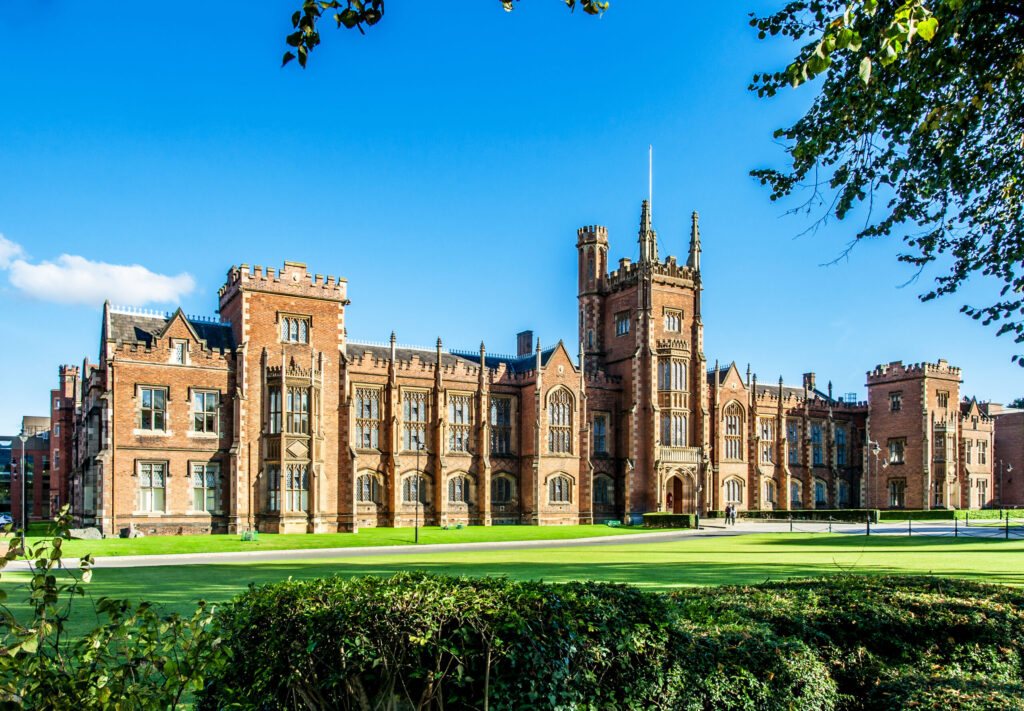
Many campuses now combine teaching spaces, laboratories, workshops, libraries, sports facilities and student accommodation, often spread across buildings of different ages and design standards. Some have been extended, refurbished or adapted several times over their lifespan. Others serve multiple purposes, supporting everything from day-to-day teaching to evening events and community activities.
In environments like these, fire safety management goes beyond scheduled maintenance tasks.
Looking Beyond Individual Systems
A service visit can confirm whether a system has been inspected and tested. It does not always provide the wider context needed to understand how that system supports the operation of a building.
For example, resolving a fire alarm fault is not always as straightforward as arranging a repair. The response may depend on what the system protects, how the building is used and who occupies it.
A teaching building used during normal working hours presents different considerations to student accommodation occupied around the clock. A laboratory or workshop may have specialist equipment, processes or access restrictions that need to be taken into account before work begins.
Understanding that context helps ensure decisions are informed by the way a building operates, not just the technical issue itself.
Connecting People, Assets and Information
Fire safety responsibilities can also span multiple teams. Estates departments may manage systems and maintenance programmes. Health and safety teams oversee risk management processes. Accommodation teams have responsibility for residential buildings, while faculties may manage specialist environments with their own operational requirements. Procurement teams may have responsibility for supplier contracts but limited visibility of day-to-day system performance.
Responsibility is often clear, but bringing together information from across these different stakeholders for a holistic view of fire safety across the estate can be more challenging.
Maintenance records, fault history, risk assessments and planned remedial works all provide part of the picture. Viewed together, they can help support more informed decisions about priorities, investment and future planning.
Working Around the Academic Calendar
Higher education estates also operate to a timetable that is different to many commercial environments, which is also an important consideration. Access may need to be planned around examinations, open days, graduation ceremonies, student arrivals, conferences and other key events. Even relatively minor disruption can have wider operational consequences.
As a result, effective fire safety management relies not only on technical expertise but also on careful planning and close coordination with the people responsible for running the estate.
A Holistic Approach to Fire Safety in Higher Education
As university estates continue to evolve, maintaining fire safety becomes less about individual service visits and more about understanding how buildings, systems and people interact across the wider estate.
A best practice approach sees organisations treat fire safety as part of broader estate planning, connecting maintenance activity, operational requirements and long-term asset management rather than viewing them in isolation.
For service providers, that means offering more than scheduled inspections. It means helping customers plan access, understand findings, prioritise actions and make informed decisions about their overall fire safety infrastructure over time.
At Chubb, we work with universities, colleges and other education providers to support the ongoing management of fire safety systems across complex estates, helping customers balance operational demands, asset performance and long-term planning.

Oops! We could not locate your form.
 Privacy Policy and Terms of Service apply.
A global organisation Chubb’s global footprint, and local expertise is reflected in its 12,000+ team, working from 200+ offices across 17 countries. Get in touch with our regional offices
We deliver our services through a global network of over 12,000 highly specialised and fully compliant staff, 200+ branches and more than 20+ monitoring centres worldwide, providing a customised local service supported by expert teams, 24/7, 365 days a year.